Nyala, February 19 (Darfur24)
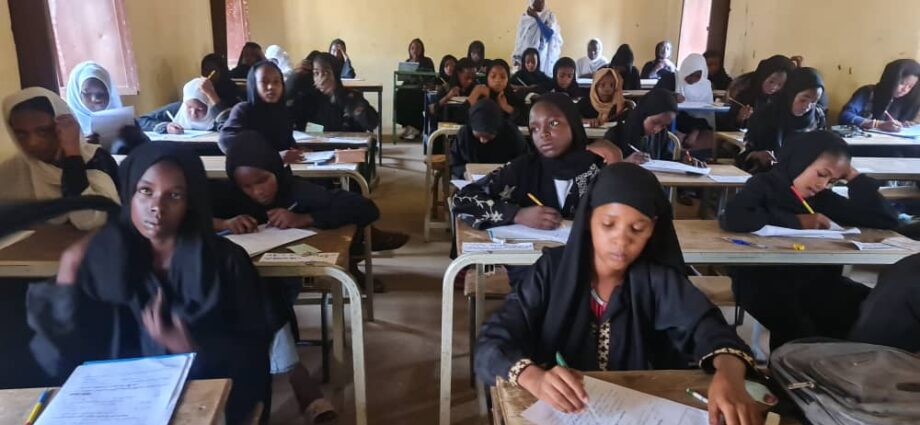
The announcement by the parallel government, Sudan Founding Alliance (TASIS), that it intends to hold the 2026 secondary school certificate examinations in areas under its control across the Darfur region has sparked wide debate among stakeholders over technical preparedness and the legitimacy and recognition of the exams, alongside cautious optimism from others who view the move as a long-awaited opportunity.
TASIS said in a statement issued on Monday that technical, administrative, and security preparations for the examinations had been completed, stressing that all students would be included, particularly those unable to sit for exams during the war years.
Abdul Hamid Ibrahim, a teacher in South Darfur, told Darfur24 that the timing of the announcement was problematic as it coincided with the exams scheduled by the Ministry of Education affiliated with the Port Sudan government for April 13, 2026, to be held in safer states and overseas centers.
He noted that registration procedures had already begun for students from Darfur to sit exams at the River Nile State center, where seating numbers are being issued, warning that parallel examinations could hinder students intending to travel to those centers.
Ibrahim also questioned the capacity of the parallel administration to manage exam preparation, printing, distribution, monitoring, and marking, as well as whether Sudanese universities would recognize certificates issued by areas controlled by the Rapid Support Forces.
Salwa Abdel Moneim Idris, a teacher, echoed these concerns, pointing to damaged school infrastructure, shortages of textbooks, and the displacement of teachers, emphasizing that organizing national examinations requires expertise currently depleted by migration.
Joy and hope
Conversely, Israa Abdullah Osman, a student, welcomed the announcement, saying it restored hope after a three-year interruption. She explained that she had prepared for the 2023 exams before fighting erupted, later enrolling in training courses in English, pharmacy and first aid while awaiting an opportunity to sit for exams.
Osman said she could not afford to travel to the River Nile center due to costs estimated at around two million Sudanese pounds and confirmed her intention to register to sit exams in Nyala this year.
Mirghani Mohamed Ahmed, a parent in Nyala, expressed reservations, arguing that conducting exams in Darfur does not guarantee students’ futures, given the uncertainty surrounding the recognition of certificates and the destruction affecting universities. He said he had previously borne high financial costs to send his children to army-controlled areas and would not risk his daughter sitting an exam with unclear prospects.
Meanwhile, Fatima Ibrahim supported holding exams locally, stating that her daughter and granddaughter were ready to sit for exams in RSF-controlled areas and called for coordination between authorities to safeguard students’ futures.
Hafiz Ahmed Omar, the Director General of Education in the RSF civil administration in South Darfur, affirmed readiness to conduct the exams, noting that more than 100,000 students were unable to sit examinations between 2023 and 2025.
He said the move followed what he described as “blackmail” over the secondary school certificate by the Port Sudan government and stressed that universities operating under their administration were prepared to receive successful students.
Thousands of students in western Sudan continue to face security and logistical obstacles reaching official examination centers, amid movement restrictions and reports of detentions along routes to army-controlled areas.
The future of education for thousands of Darfur students remains closely tied to evolving security and political dynamics, with growing fears that the schooling system itself may become another front in Sudan’s prolonged conflict.