Eastern Chad, February 10 (Darfur24)
Medical sources have warned of a noticeable rise in sexually transmitted diseases among Sudanese refugees in camps across eastern Chad, raising fresh concerns about deteriorating health conditions amid limited access to care.
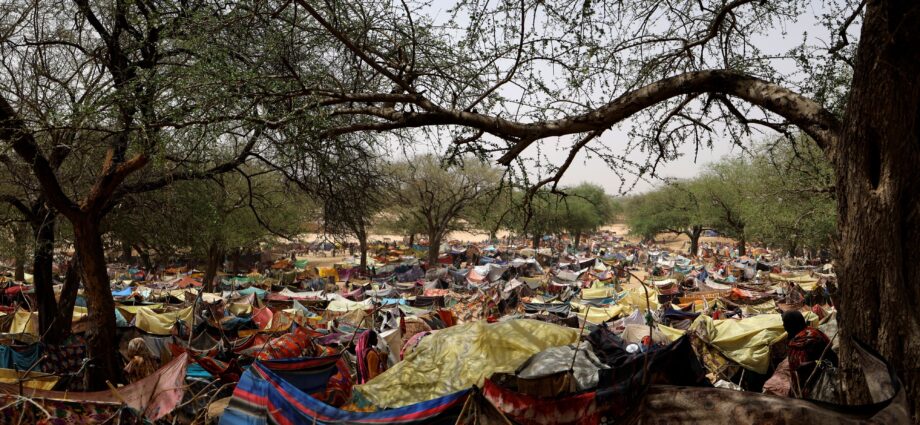
More than 800,000 Sudanese have fled to Chad since the outbreak of war, most arriving from Darfur states, where they now live in dozens of camps amid a fragile humanitarian response to their needs.
Medical sources told Darfur24 that infections such as HIV, gonorrhea, and hepatitis B have risen significantly, particularly among women, girls, and young men in the refugee population.
The sources attributed the rapid spread of these diseases to limited health awareness and insufficient access to accurate information about transmission and prevention within refugee communities.
They also pointed to restricted access to sexual and reproductive health services, compounded by persistent social stigma, despite the availability of some medicines and treatment options in certain health facilities.
According to the sources, the harsh living conditions in the camps — including poverty, overcrowding, and weak protection mechanisms — have heightened vulnerability to exploitation, especially for women and girls, increasing the risk of infection.
The medical sources called for expanded awareness campaigns, improved reproductive health services, and stronger protection measures to create a safer environment for refugees, with particular attention to safeguarding women and girls.
Refugee camps in eastern Chad continue to face overcrowding and shortages of food, water, and health services, further straining already limited humanitarian support.