Tawila, November 12 (Darfur24)
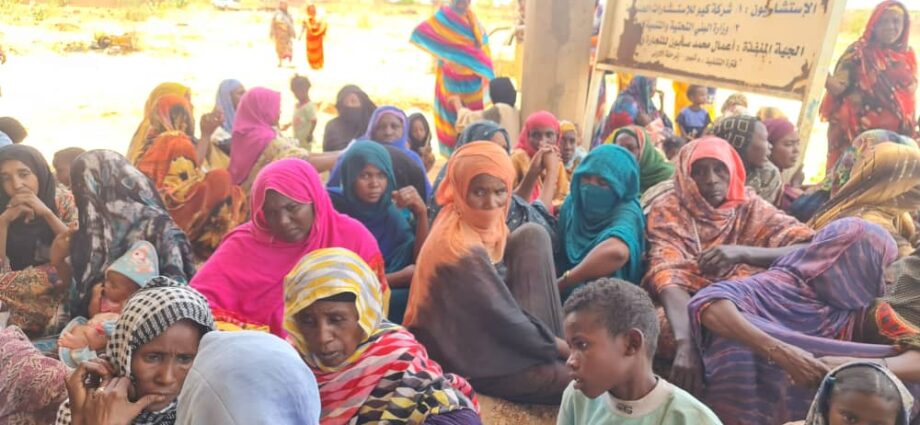
Internally displaced persons (IDPs) in the Masal camp in Tawila locality of North Darfur State are facing an acute water shortage, which they described as one of the worst humanitarian crises they have endured.
The Masal camp, located near the Tunjur reservoir, hosts more than 10,000 displaced persons who fled from the town of Tabit and nearby villages, as well as hundreds of families who escaped from displacement camps in El Fasher.
Several IDPs told Darfur24 that the humanitarian situation is deteriorating daily due to food shortages and severe water scarcity, worsening the suffering of families, particularly children, women, and the elderly.
Sheikh Haroun Ahmed Mohamed stated that the Masal camp is currently facing one of its most critical humanitarian situations, with the water crisis becoming a nightmare for the displaced.
He explained that families spend long hours searching for water due to the limited sources available, increasing their daily hardship.
For her part, Hawa Yahya, a displaced woman from Zamzam camp, told Darfur24 that although they fled long distances in search of safety and food, their suffering continues in Masal camp. She accused humanitarian organizations of focusing their services in Tawila town while neglecting displaced persons in the Tunjur reservoir area.
She added that the Masal camp residents have not received any humanitarian assistance for more than five months, and that the worsening water shortage has deepened their suffering.
An official with the civil administration affiliated with the Sudan Liberation Movement confirmed the existence of a severe water crisis in Masal camp.
The official, who requested anonymity, told Darfur24 that the administration is aware of the plight of displaced persons in Tawila locality, but water services in the Tunjur reservoir area remain a longstanding issue due to the region’s dependence on rainwater harvesting and the scarcity of permanent water sources.
He called on humanitarian partners and water organizations to urgently intervene and drill wells to alleviate the suffering of the displaced.