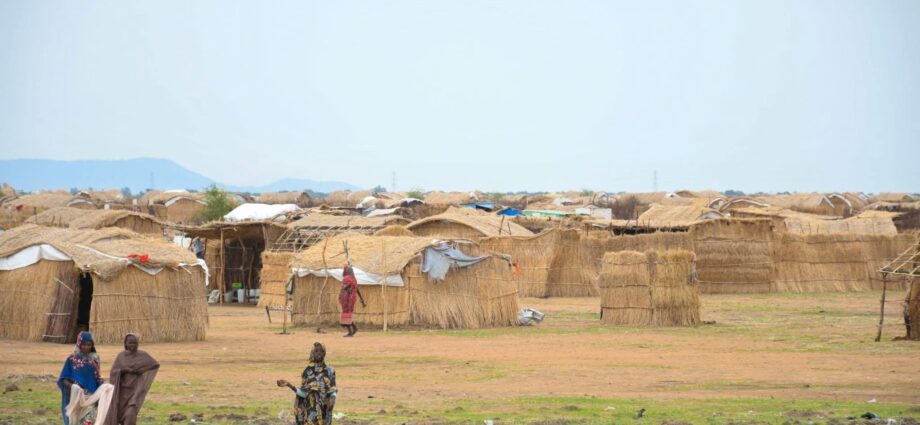
Ad-Damazin, October 18 (Darfur24)
Sudanese returnees from South Sudan living in the “Dignity” internally displaced persons camps (IDP) in Damazin, Blue Nile State, have voiced alarm over worsening health conditions and the spread of diseases, particularly cholera.
Since April, around 89,000 Sudanese have returned from South Sudan due to insecurity and the collapse of services in refugee camps there.
Babiker Al-Sheikh Yaqoub, Secretary of the Al-Karama IDP Camp (6) Committee, told Darfur24 that Doctors Without Borders treats only about 60 patients per day, while hundreds of cases need treatment daily. He called for the establishment of a permanent, 24-hour health center inside the camp, noting that the lack of ambulances puts lives at risk.
Al-Karama IDP Camp (6) hosts 9,320 families suffering from poor relief distribution and limited basic services. Yaqoub said the World Food Programme has been unable to cover all families due to irregular surveys and weak coordination with camp administration, leaving many excluded from beneficiary lists.
He added that a survey by the International Committee of the Red Cross reached nearly 90% of the population, but other humanitarian services remain insufficient. He also criticized aid workers for short working hours, saying some arrive at 11:00 a.m. and leave at 2:00 p.m., which is “not enough to meet the needs of hundreds of people.”
For his part, Abbas Suleiman, a youth representative in the camp, said the cholera outbreak has killed several returnees, mostly elderly people with chronic illnesses. He stressed that this crisis came after a long and dangerous return journey that lasted weeks.
Suleiman explained that many returnees had to sell their belongings and livestock to pay transportation costs and fees imposed by the South Sudan Human Rights Commission to process exit paperwork. Along the route, convoys were involved in repeated traffic accidents, resulting in deaths and injuries among men, women, and children.
Some pregnant women miscarried due to poor sanitary conditions and lack of medical care.
He said vehicle breakdowns, heavy rains, and food shortages left families stranded for days, worsening the suffering of those with chronic illnesses such as diabetes and high blood pressure.
Authorities in Blue Nile State set up the “Dignity” camps to host thousands of returnees, but residents say they arrived to find no proper shelter or health services, leaving them to face disease and hardship alone.