Nyala, October 3 (Darfur24)
Residents across several localities in South Darfur, western Sudan, are grappling with a worsening cash liquidity crisis and soaring commission rates on banking app transactions. The situation has led to a sharp economic slowdown, reluctance among citizens to buy and sell, and stagnation in local markets.
Abdulrahman Saleh, a resident of Abu Ajoura in Al Salam locality, 96 km southwest of Nyala, said the commission rate for exchanging cash through the “Bankak” app has reached 25% in the local market. He attributed the crisis to merchants monopolizing and trading in cash, which has deepened the economic squeeze.
He noted that the prices of basic commodities have surged, with a pound of dried okra now selling for 700 Egyptian pounds, while market activity has nearly ground to a halt due to the lack of cash.
“With the onset of the harvest season, farmers will be severely affected by the lack of liquidity, which will lead to stagnant markets and disrupt the daily lives of residents,” Saleh warned.
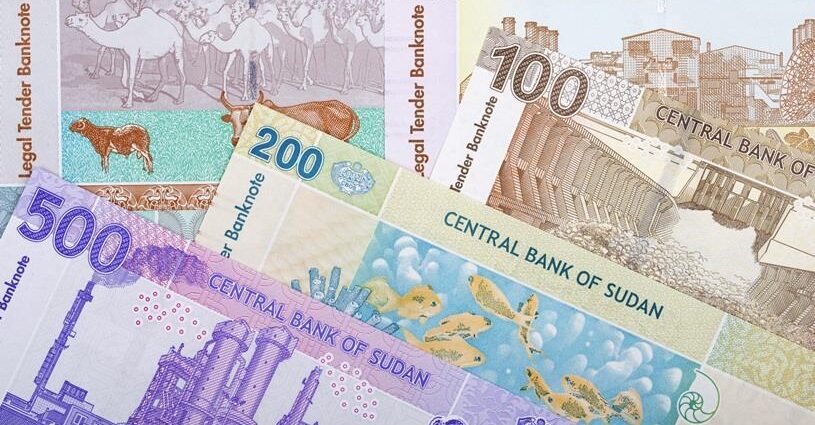
In the Gereida locality, 86 km south of Nyala, Mariam Ishaq described a similar situation, stating that commissions on banking apps have exceeded 25 percent. She added that citizens often receive damaged 100- and 200-pound banknotes, while larger denominations of 500 and 1,000 pounds have virtually disappeared from circulation.
Eyewitnesses in Ad Fursan and Rahid Al Bardi confirmed the worsening of the crisis in their areas as well, with commissions exceeding 25% and widespread public frustration.
In Kabum, 130 km west of Nyala, Mohammed Ali, a trader, said the crisis is being compounded by traders hoarding goods and the seasonal suspension of trade between Darfur and other regions during the rainy season.
“The lack of cash is hindering crop harvesting and the purchase of agricultural inputs. It’s also affecting the availability of labor due to the cash shortage, threatening significant losses for farmers,” Ali said.
Ali added that a resolution to the crisis may come with the end of the rainy season and the resumption of trade between Sudan’s states and neighboring countries.