Khartoum , June 2(Darfur 24)
The Rapid Support Forces(RSF) said on Sunday that they had notified the United Nations of the army’s use of chemical weapons in at least 11 locations, causing widespread damage to civilians and the environment.
On May 29, the Chairman of the Sovereignty Council and Commander-in-Chief of the Army, Abdel Fattah al-Burhan, formed a committee comprising representatives from the Ministries of Defense, Foreign Affairs, and the General Intelligence Service to investigate the US allegations of the use of chemical weapons in the war.
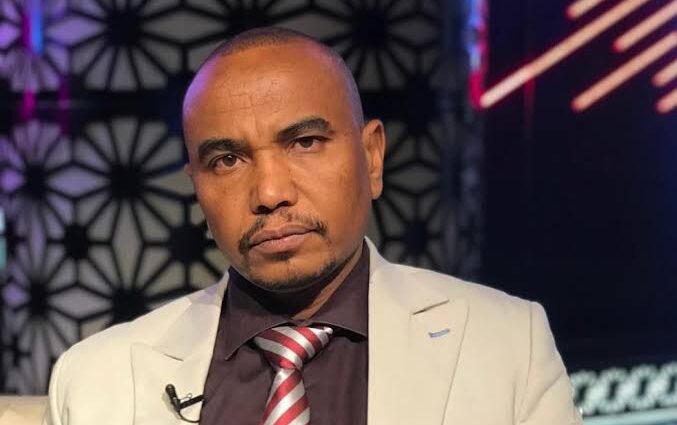
The legal advisor to the Rapid Support Forces, Mohamed Al-Mukhtar Al-Nour, told Darfur 24 that they had informed the United Nations of the army’s use of chemical weapons.
He pointed out that the army and its allied groups used chemical weapons in 11 locations, causing widespread damage to civilians and the environment.
He called on the United Nations to send international experts to investigate the use of chemical weapons and uncover the circumstances of this crime.
On May 22, the United States announced that it had decided to impose sanctions on the Sudanese government for the use of chemical weapons. These sanctions included restrictions on access to credit lines and US exports, which will take effect on June 6.
On January 16, 2025, The New York Times published an investigation that concluded that the army had used chemical weapons at least twice in remote areas against Rapid Support Forces personnel.
The Sudanese government and the army denied the accusations of using chemical weapons in the war.
Mohamed Al-Mukhtar explained that the army and its allied groups used chemical weapons in Al-Hilaliya in Al-Jazeera State, Jebel Moya in Sennar State, and other locations in Khartoum, including the headquarters. Radio and Television, Al-Muqrin, and Al-Jili.
He said that chemical weapons were used in the city of Al-Koma in North Darfur State, resulting in 80 miscarriages among women. They were also used in the Ghrir area, north of Kutum in North Darfur, where they contaminated the water.
He stated that the weapons were used in the areas of Tora in North Darfur, Al-Khawi in West Kordofan, and Al-Dubaibat in South Kordofan.
Al-Mukhtar indicated that the Rapid Support Forces had seized remnants and masks to protect against chemical contamination and radioactive fallout in the Al-Khawi area a few days ago. These were in the possession of Major General Ihab, who was killed in the fighting that took place in the area.
He explained that Major General Ihab was responsible for the chemical weapons file in the army and had close ties to the Iranian Revolutionary Guard, having concluded arms deals between Iran, Sudan, and the Al-Baraa Battalion.
The commander of the army’s movements in Kordofan, Major General Ihab Mohammed Youssef Al-Tayeb, was killed during fighting that erupted in Al-Khawi, along with a number of other military commanders last week, before the Rapid Support Forces took control of the town.