Nyala, April 30(Darfur24)
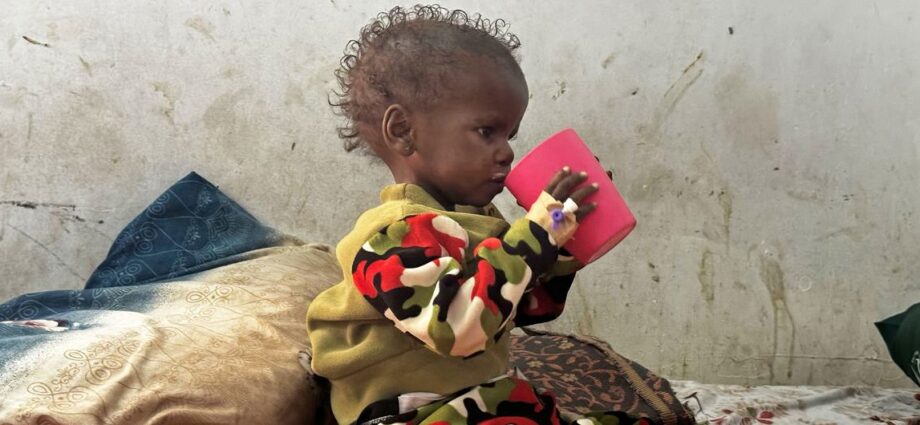
Doctors Without Borders (MSF) has reported deteriorating food security and rising malnutrition rates in South Darfur, warning that the crisis will worsen unless urgent action is taken to expand humanitarian assistance and ensure children and families receive support.
The organization said in a statement that the ongoing conflict in Sudan has severely affected food security, leaving millions of people at risk, particularly in conflict-affected areas like South Darfur.
Displaced people are among those most affected by this crisis, with many struggling to secure even the most basic necessities, including food.
Children under the age of five, as well as pregnant and breastfeeding mothers, are among the groups most affected by the worsening malnutrition crisis, according to MSF.
The statement confirmed that in 2024, MSF teams received more than 7,200 children under the age of five, pregnant women, and lactating mothers from Nyala and surrounding areas due to acute malnutrition.
The statement added, “With limited access to nutritious food, these groups face an increased risk of acute malnutrition, which, if left untreated, is life-threatening.”
Growing Needs
The statement pointed to the scarcity of humanitarian services managed by UN agencies, with no humanitarian response meeting the needs. This poses challenges to efforts to address the nutritional situation and the broader crisis in South Darfur and across Sudan.
The statement emphasized that communities in South Darfur have been exposed to extreme levels of violence, and many people have been displaced, with women in particular often having to care for large families alone after losing their sources of income and support networks.
“We are providing a two-month ration for a family to reduce the number of children’s therapeutic food being divided among hungry relatives,” said Hunter McGovern, MSF’s Targeted Food Distribution Project Coordinator in South Darfur. “This allows the child to receive their full ration and improves the nutritional status of the entire family. However, despite this ongoing activity, the needs remain enormous.”
MSF is providing food rations of up to 2,000 calories per day per family member, for an average of five people per family, enough for two months, according to the statement.
McGovern added, “During the distributions, we found that the average family size was much larger than we had initially planned, sometimes reaching ten people per family. This underscores the seriousness of the food shortage and the need for more assistance to meet the real needs of the population.”
The statement emphasized that the scale of the crisis far exceeds the limited number of organizations responding to the malnutrition crisis.
“We are rapidly approaching the rainy season and the hunger gap, a time of year when people in South Darfur find it difficult to secure food and when humanitarian supplies are difficult to access the state,” he continued.